DIRECT ANSWER
Stop active restoration and remove the device if possible when there is numbness, marked discoloration, cold tissue, persistent or substantial swelling, blistering, open skin, bleeding, continuing pain, urinary difficulty, or signs of infection. Severe, worsening, or persistent symptoms need qualified medical evaluation.
EVIDENCE SUMMARY
How strong and direct is the evidence?
Minor marks versus concerning change
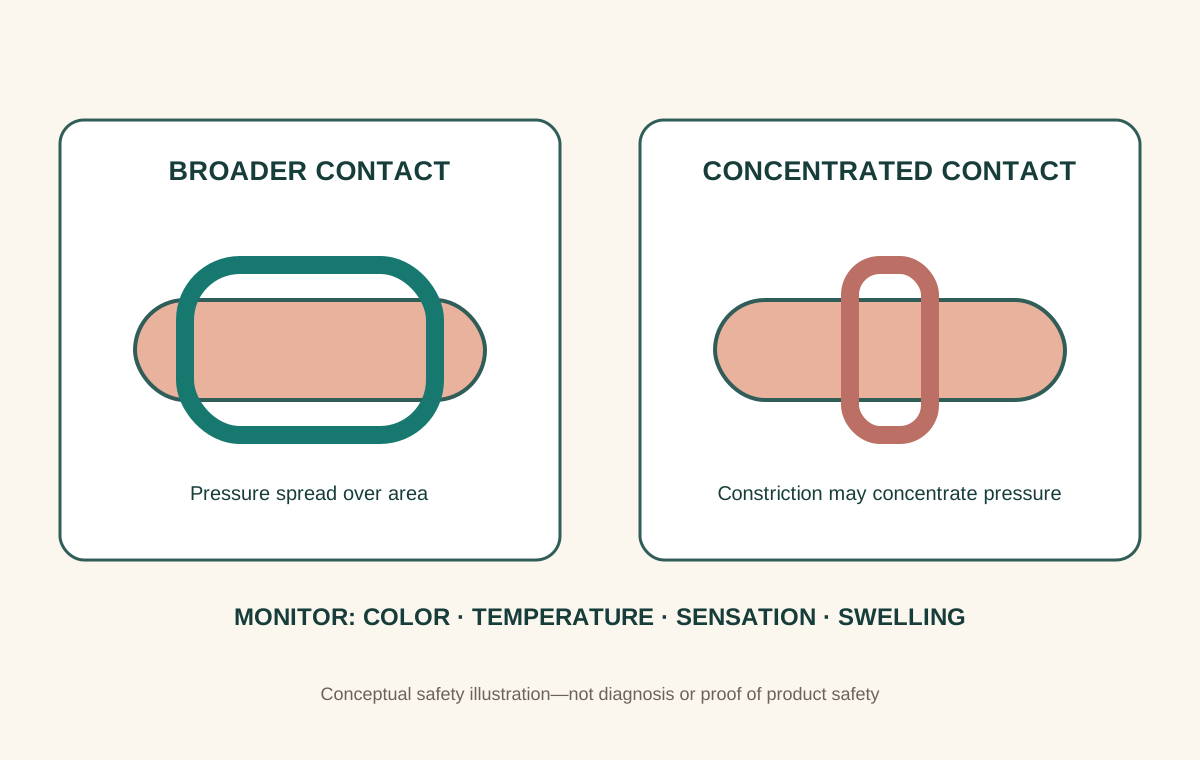
A brief, mild pressure impression that resolves promptly after removal is different from pain, altered sensation, coldness, pronounced color change, or swelling that persists. This distinction cannot be reduced to a universal time cutoff. When uncertain, stop rather than applying more load.
Warning signs
Circulation or nerve concern
Numbness, tingling that continues, coldness, loss of normal sensation, or marked pale, blue, purple, or dark coloration.
Skin injury
Blistering, tearing, open areas, bleeding, burns, persistent redness, or worsening adhesive reaction.
Swelling and pain
Marked or persistent swelling, pain that continues after removal, or increasing tenderness.
Urinary or infection concern
Difficulty urinating, spreading redness, warmth, pus-like drainage, fever, or feeling systemically unwell.
What to do
- Stop loading.
Remove the device or adhesive without adding further injury. Do not continue to test whether symptoms improve under load.
- Do not disguise the warning.
Avoid using numbing products or other measures simply to continue the same exposure.
- Seek appropriate care.
Urgent symptoms—such as severe pain, major color change, cold tissue, inability to urinate, significant bleeding, or rapidly worsening swelling—deserve prompt medical attention. Persistent or uncertain symptoms also warrant a clinician.
- Do not resume over injured skin.
Allow recovery and address fit, contact, hygiene, or technique before considering future use.
Why comfort is not proof of safety
Compression can affect sensation, and some reactions emerge over time. A comfortable beginning does not establish circulation, material compatibility, or safe duration. No universal restoration force or wear schedule has been validated, and use during sleep cannot be assumed safe.