DIRECT ANSWER
Restoration adhesives can cause mechanical removal injury, irritant reactions, or allergic reactions in some people. Moisture, residue, skin preparation, removal, and repeated exposure affect tolerance. “Medical” branding does not mean an adhesive is universally non-irritating.
EVIDENCE SUMMARY
How strong and direct is the evidence?
Irritation and allergy are not the same
An irritant reaction can result from chemical exposure, moisture, friction, residue, or repeated stripping of the surface. An allergic contact reaction involves immune sensitization and may appear after prior tolerated use. A website cannot diagnose the cause from appearance alone.
Repeated removal is a mechanical exposure
Peeling adhesive away quickly, removing it against hair, or repeatedly preparing the same site can damage the skin barrier. Removal should follow product-specific instructions. Solvents or harsh cleaning agents can create their own irritation and may not be compatible with the adhesive or device.
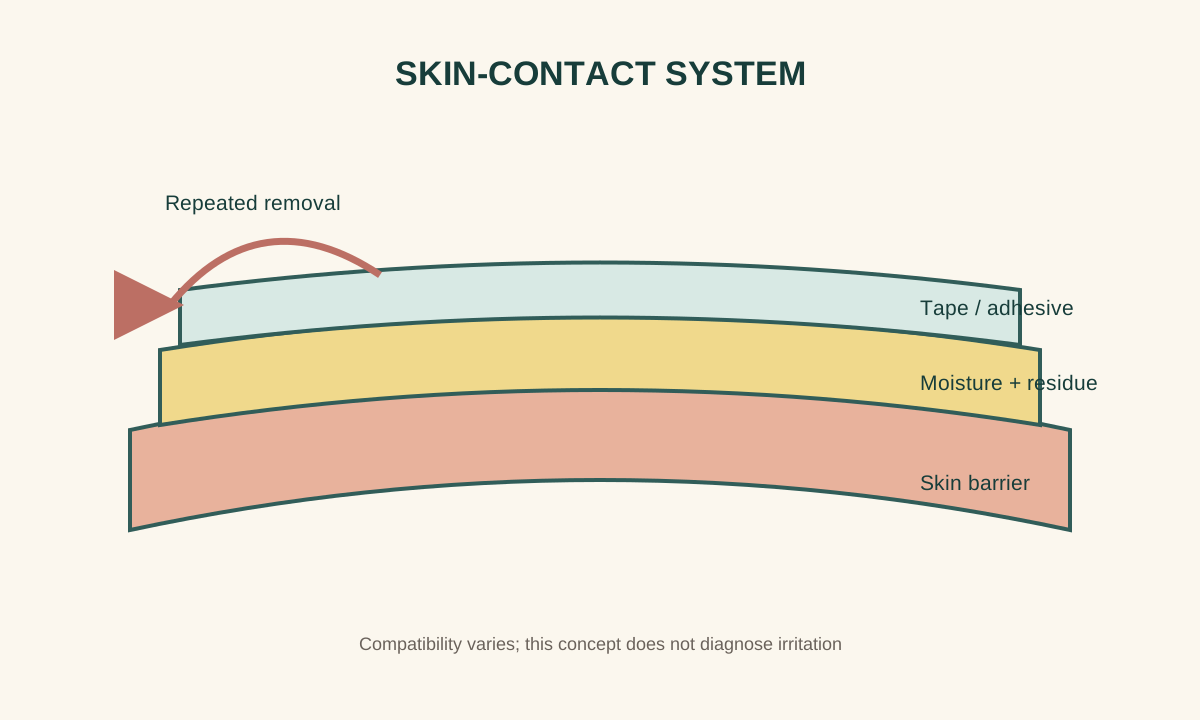
Moisture, residue, and cleanliness
- Apply only to intact skin under conditions specified by the manufacturer.
- Consider sweat and retained moisture during planned activity.
- Do not scrub aggressively to chase residue.
- Keep reusable attachment surfaces clean and fully dry as their instructions require.
- Do not share skin-contact materials.
Cautious compatibility checking
A small-area check with an otherwise appropriate product may identify an immediate reaction, but it cannot guarantee tolerance after prolonged or repeated exposure. Do not test on injured or highly sensitive genital tissue without product-specific support. Stop for blistering, open skin, spreading rash, substantial swelling, pain, or altered sensation; seek care when symptoms are severe, persistent, or worsening.
Evidence boundary
No adhesive brand or chemistry is endorsed here, and direct restoration research does not establish one as safest or most effective. Taping descriptions in reviews are not validated prescriptions [1].