DIRECT ANSWER
Manual restoration means applying controlled tension to mobile penile skin by hand. It can be inexpensive and requires no worn device, but force, hand placement, and consistency vary. No scientifically validated manual schedule or force prescription exists.
EVIDENCE SUMMARY
How strong and direct is the evidence?
How the method works in principle
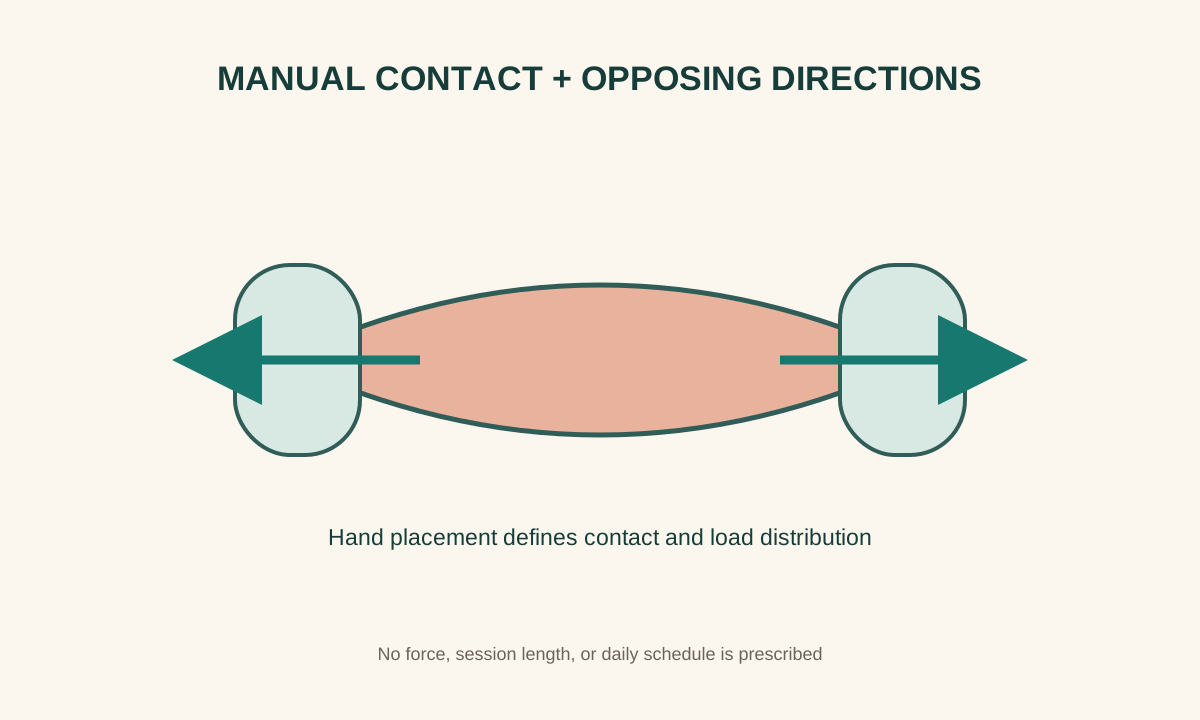
Hands create opposing contact points and temporarily load the skin between them. Placement can change which region feels loaded, but sensation of regional tension does not prove selective biological growth. Long-term human skin expansion is biologically plausible [1]; that literature does not validate a manual routine.
Practical advantages and limitations
Potential conveniences
- Little or no equipment
- Rapid start and stop
- Direct adjustment to comfort
- No adhesive or prolonged device contact
Practical limitations
- Requires privacy and active attention
- Force and geometry are difficult to repeat
- Technique descriptions vary across communities
- Consistency may be difficult to document
Safety is not measured by pain
Pain is not a growth target. Excessive pinching, friction, twisting, or traction can injure skin or affect circulation and sensation. Stop for numbness, marked discoloration, coldness, persistent swelling, broken skin, bleeding, or continuing pain. Do not compensate for uncertain progress by automatically pulling harder.
Evidence status
The small direct cohort included heterogeneous nonsurgical practices and did not establish a standardized manual dose or compare methods [2]. Community routines are descriptions of practice, not validated medical prescriptions.