Loading and adjustment
Future design work may examine opposing force, directional traction, pressure, and retention without treating a concept as a product announcement.
DEVICE GUIDE
The available Foreskin Restoration Kit alongside neutral guidance about device mechanics, fit, safety, care, and evidence boundaries.
EDUCATION BEFORE CATALOG
Foreskin Online publishes one adjustable restoration kit alongside independent method, safety, and evidence guidance. A product mechanism does not establish a guaranteed outcome, validated tension dose, or method superiority.
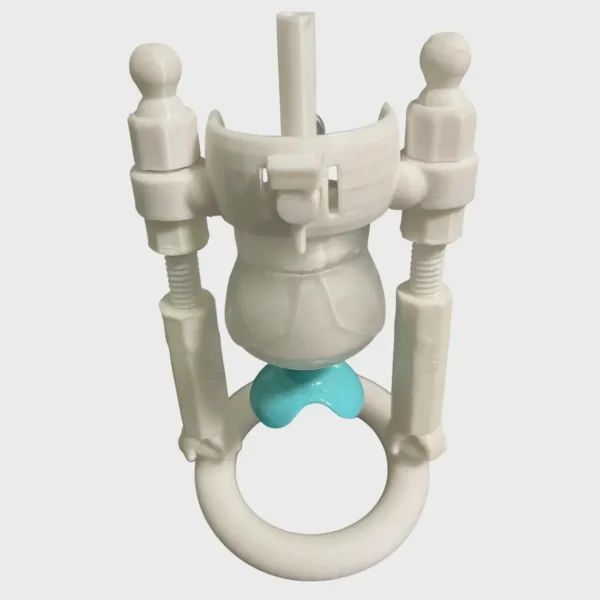
AVAILABLE NOW
$29.45
The Foreskin Restoration Kit is an adjustable, device-assisted system supplied with multiple length and connector options, silicone contact components, push plates, a donut-ring option, and supporting accessories.
Made to order. No universal restoration tension dose or outcome is scientifically validated.
HOW DEVICES GENERALLY FIT
Restoration devices are tools for applying or maintaining a mechanical condition. Different concepts may pull in one direction, create opposing forces, use controlled internal pressure, rely on gravity, or retain skin without the same expansion goal. A mechanism does not establish effectiveness on its own.
How load is created, directed, adjusted, released, and kept within a tolerable range.
How contact surfaces hold skin while avoiding excessive pressure, slipping, or difficult removal.
How parts are cleaned, dried, inspected, stored, and replaced.
How validated setup, use limits, warning signs, and troubleshooting are communicated.
FUTURE DESIGN AREAS
Future design work may examine opposing force, directional traction, pressure, and retention without treating a concept as a product announcement.
Contact pressure, cleanability, prompt removal, material documentation, and unattended-use limits remain central evaluation questions.
THE PUBLICATION STANDARD
Empty promises and generic marketing copy are not enough for a body-contact device.
What it is, its intended role, and what it is not.
How tension or retention is created and controlled.
Verified parts and skin-contact materials.
Validated measurements, fit checks, and incompatibilities.
Reviewed setup, adjustment, removal, and use limits.
Cleaning agents, drying, storage, inspection, and replacement.
Warnings, stop-use signs, contraindications, and troubleshooting.
Exact package contents, FAQ, shipping, returns, and support.
DESIGN PRIORITIES
The product is published for review and can be added to the cart, but payment providers, shipping rates and regions, tax policy, transactional email review, returns, warranty, and processing-time details still require owner decisions before direct orders can be safely accepted.
DEVICE EDUCATION